Lewis Lawn & Tree Service Blog
4 Warning Signs a Tree Is at High Risk of Crashing Down
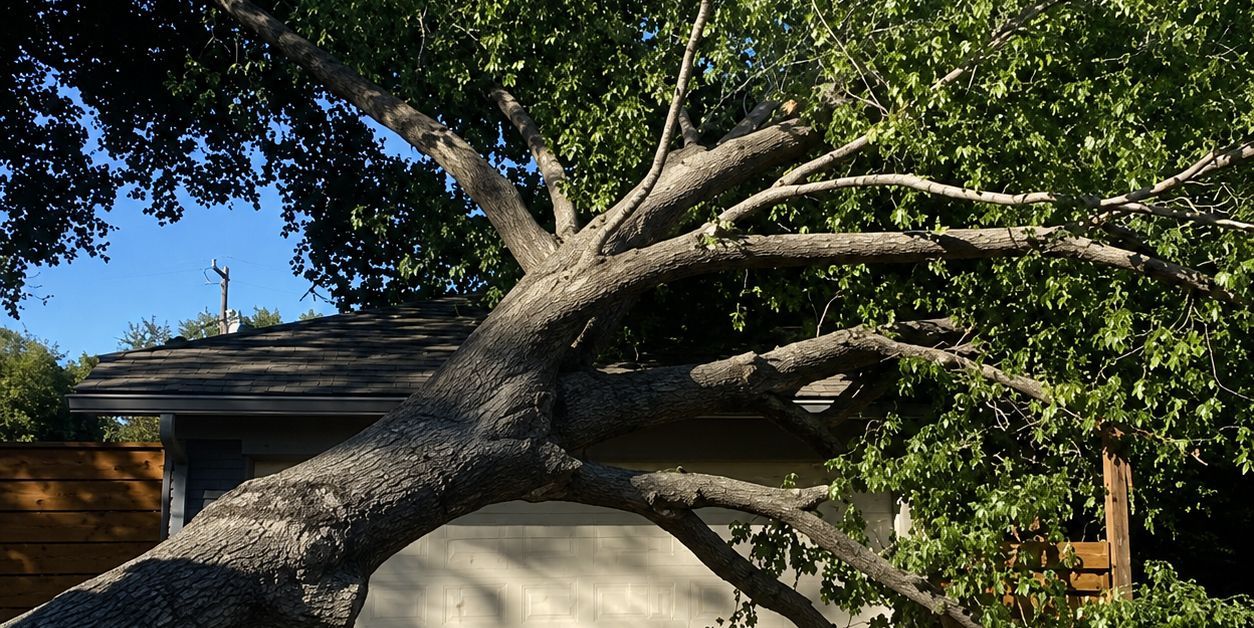
A structurally compromised tree can become a serious safety hazard. High winds, heavy rain, snow, and other severe weather can cause an unstable tree to fall, potentially damaging homes, vehicles, and power lines. Some warning signs can indicate that a tree has developed significant structural problems. At Lewis’ Lawn & Tree Service, we can identify hazardous trees and safely remove them as needed. Here are four warning signs that a tree in your yard may be at high risk of toppling.
A New or Increasing Lean
A tree that suddenly begins leaning or develops a progressively worse angle may have a stability problem. While some trees naturally grow at an angle, a new lean can indicate root damage, soil erosion, shifting ground, or structural failure. The risk may be particularly concerning if the tree is leaning toward your home, driveway, or another frequently used area. Have a professional evaluate a tree if you notice a significant change in its position.
Large Cracks in the Trunk
Deep cracks in the trunk can indicate that a tree's structural integrity has been compromised. Large cracks may develop because of severe weather, heavy limbs, disease, or internal decay. Cracks located where major branches connect with the trunk can be particularly concerning because these areas experience significant structural stress. Professional assessment can help determine whether the damage presents an immediate hazard.
Damaged or Exposed Roots
A strong root system provides essential support and helps anchor a tree securely in the soil. Excavation, erosion, disease, and storms can damage roots and reduce stability. Warning signs can include exposed or broken roots, raised soil around the trunk, and fungal growth near the base. Because many roots are underground, determining the severity of root damage often requires professional experience.
Extensive Decay or Fungal Growth
Cavities, peeling bark, fungal growth, and extensive dead wood can be signs of internal decay. A tree may continue producing leaves even when significant deterioration is occurring inside the trunk or major branches. As decay weakens structural wood, the risk of branch or whole-tree failure can increase. An experienced tree professional can evaluate visible symptoms and determine whether pruning, monitoring, or removal is appropriate.
Tree Removal in South Jersey
When you
need tree services in Medford Lakes and the surrounding area,
contact Lewis’ Lawn & Tree Service at
609-875-4390. Feel free to give us a call to request an arborist estimate in South Jersey!